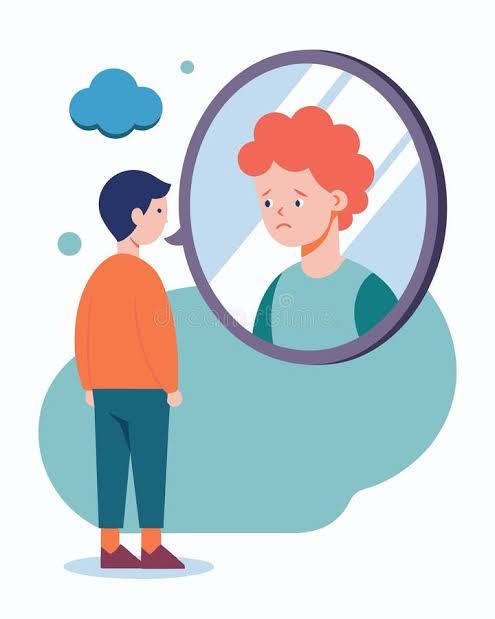
There are people who achieve incredible things and still secretly feel inadequate.
People who receive compliments but immediately dismiss them.
People who work endlessly but never feel accomplished enough.
People who are loved deeply but still question whether they’re truly lovable.
People who appear confident externally while internally feeling like they’re constantly falling short.
No matter what they do, something inside them keeps whispering:
“You could’ve done better.”
“You’re not enough yet.”
“Everyone else is doing life better than you.”
“If people really knew you, they wouldn’t value you this much.”
For some people, this feeling becomes so normal that they don’t even realize how deeply it controls their lives.
They just assume everyone secretly lives with the same exhausting inner pressure.
But constantly feeling “not good enough” is not simply humility.
It’s often a deeply rooted emotional wound shaped by childhood experiences, comparison, rejection, trauma, perfectionism, social conditioning, emotional neglect, and internalized self criticism.
And in today’s world, where people are constantly exposed to curated success, beauty, achievement, and validation online, that wound has become even more common.
A lot of people are surviving life while quietly believing they are fundamentally inadequate.
Feeling “Not Good Enough” Usually Starts Earlier Than People Realize
Very few people wake up randomly one day with chronic feelings of inadequacy.
For many, the feeling starts early.
Sometimes it develops in childhood environments where love felt conditional.
Maybe praise only came through:
- achievement
- obedience
- perfection
- academic success
- emotional suppression
- being “easy”
- making others proud
Children in these environments often unconsciously learn:
“I am valuable when I perform well.”
Not simply:
“I am valuable because I exist.”
That distinction matters deeply.
A child who constantly feels evaluated may grow into an adult who never feels internally secure no matter how much they accomplish.
Even success becomes emotionally unstable because self worth depends entirely on external validation.
And external validation never fully satisfies emotional insecurity for long.
Emotional Neglect Creates Invisible Insecurities
Not all emotional wounds come from obvious abuse.
Some come from emotional absence.
A child may grow up:
- rarely emotionally affirmed
- emotionally misunderstood
- constantly criticized
- compared to siblings
- emotionally ignored
- invalidated
- unsupported emotionally
Even if basic physical needs were met.
Children need more than survival.
They need emotional safety, encouragement, affection, understanding, and emotional attunement.
When those things are missing consistently, many people grow up feeling emotionally “wrong” without fully understanding why.
They become adults who:
- overthink everything
- seek constant reassurance
- fear rejection intensely
- struggle with self worth
- feel easily replaceable
- never feel successful enough
- constantly compare themselves to others
Often, the issue isn’t that they are actually inadequate.
It’s that their nervous system learned inadequacy emotionally.
Social Media Has Turned Comparison Into A Full Time Job
Human beings have always compared themselves to others.
But modern life has industrialized comparison.
People now consume endless streams of:
- beauty
- wealth
- relationships
- lifestyles
- achievements
- productivity
- status
- transformation stories
every single day.
And even when people logically understand that social media is curated, the emotional impact still affects them psychologically.
Someone can be having a relatively normal day until they scroll online and suddenly feel:
- behind in life
- unattractive
- unsuccessful
- unlovable
- unproductive
- emotionally inadequate
Comparison quietly reshapes self perception.
The brain starts building unrealistic standards for:
- success
- appearance
- relationships
- happiness
- healing
- productivity
Eventually, ordinary human life begins feeling insufficient.
People stop appreciating progress because they’re constantly measuring themselves against impossible emotional benchmarks.
Perfectionism Often Hides Deep Insecurity
Many people assume perfectionists are simply highly disciplined or ambitious.
But perfectionism is often deeply connected to fear.
Fear of:
- failure
- rejection
- criticism
- embarrassment
- inadequacy
- disappointing others
Perfectionists often believe:
“If I can just become perfect enough, maybe I’ll finally feel worthy.”
But perfection is emotionally unreachable.
So the person stays trapped in endless self criticism.
Even achievements lose emotional impact quickly because the mind instantly moves the goalpost:
- “Okay, but now you need to do more.”
- “You still haven’t achieved enough.”
- “Other people are doing better.”
- “This isn’t impressive.”
The tragedy of perfectionism is that it often prevents people from ever fully experiencing their own lives.
They spend so much time trying to earn worthiness that they never feel worthy in the present moment.
Trauma Can Permanently Distort Self Worth
People who experienced bullying, rejection, betrayal, abandonment, emotional abuse, or toxic relationships often internalize painful beliefs about themselves.
Especially when the trauma happens repeatedly.
Humans naturally try to make sense of emotional pain.
And unfortunately, many people unconsciously conclude:
“Something must be wrong with me.”
A child blamed constantly may grow into an adult who apologizes for existing.
A person repeatedly rejected romantically may begin believing they are fundamentally unlovable.
Someone who grew up criticized may develop an internal voice that constantly attacks them long after the original environment is gone.
Trauma often survives internally through self perception.
Even after circumstances improve, the emotional wound may remain active.
That’s why some people continue feeling “not enough” even when their life objectively improves.
The external environment changed.
But the internal belief system didn’t.
Some People Tie Their Worth To Productivity
Modern culture constantly pushes the idea that human value comes from productivity.
People are praised for:
- grinding
- hustling
- overworking
- constant improvement
- nonstop achievement
Rest often gets treated like laziness.
So many people unconsciously begin measuring their worth by output.
When they’re productive, they feel temporarily valuable.
When they slow down, they feel guilty, anxious, or useless.
This creates exhausting emotional cycles where self worth becomes dependent on performance.
And because human beings cannot perform endlessly without emotional consequences, many eventually experience:
- burnout
- emotional numbness
- anxiety
- self hatred
- chronic dissatisfaction
A person who believes they must constantly “earn” worthiness rarely experiences genuine inner peace.
People Who Never Felt Chosen Often Struggle With Self Worth
Feeling emotionally unwanted changes people.
Especially repeated experiences of:
- rejection
- abandonment
- exclusion
- emotional inconsistency
- unreciprocated love
- unstable relationships
Humans naturally want to feel chosen.
Wanted.
Valued.
Important.
Loved intentionally.
When someone repeatedly experiences emotional rejection, they may eventually internalize the belief:
“Maybe I’m just not enough for people to stay.”
That belief can quietly affect:
- friendships
- dating
- career confidence
- self esteem
- attachment styles
- emotional vulnerability
Some people spend years trying to become “good enough” for others because they’re still emotionally trying to heal old rejection wounds.
Why Compliments Often Don’t Help
One confusing thing about low self worth is that external reassurance often provides only temporary relief.
Someone can receive:
- compliments
- praise
- love
- validation
- attention
and still feel deeply insecure internally.
Why?
Because people tend to reject information that conflicts with their deeply rooted self beliefs.
If someone internally believes:
“I’m not good enough,”
their brain may automatically dismiss positive feedback as:
- fake
- exaggerated
- temporary
- manipulative
- undeserved
That’s why insecurity is rarely solved purely through external validation.
The deeper issue is usually internalized self perception.
Romantic Relationships Often Expose Hidden Insecurities
Relationships have a way of exposing wounds people thought they had hidden successfully.
Someone who struggles with feeling inadequate may:
- overthink texts
- fear abandonment constantly
- seek reassurance excessively
- struggle with jealousy
- feel easily replaceable
- sabotage healthy relationships
- become emotionally dependent
- fear vulnerability deeply
Not because they are irrational.
But because intimacy activates emotional attachment systems tied to self worth and fear.
Love can feel terrifying when someone secretly believes:
“If this person really sees me fully, they may eventually realize I’m not enough.”
That fear causes many people to emotionally overperform in relationships.
They try to become:
- more attractive
- more useful
- more agreeable
- more successful
- more emotionally available
- more perfect
believing love must be earned constantly.
Modern Life Constantly Reinforces Inadequacy
The modern world profits heavily from insecurity.
Entire industries are built around convincing people they are incomplete without:
- better looks
- more money
- more status
- more followers
- better bodies
- more success
- more productivity
- more optimization
People are constantly being sold emotional insufficiency.
The message is subtle but relentless:
“You are not enough yet.”
That messaging affects people psychologically over time.
Especially vulnerable people already struggling with self worth internally.
Eventually, many people stop experiencing life naturally because they are trapped in endless self improvement loops trying to emotionally “fix” themselves into worthiness.
Healing Self Worth Is Not About Becoming Perfect
One of the biggest misconceptions about healing insecurity is believing people must achieve enough externally before they can finally feel worthy internally.
But worthiness does not arrive at the finish line of perfection.
Because perfection itself keeps moving endlessly.
Healing often begins when people slowly challenge the belief that their humanity must be earned through flawless performance.
That process takes time.
And honestly, it can feel uncomfortable.
Especially for people whose identity became built around achievement, people pleasing, emotional suppression, or perfectionism.
Healing self worth may involve:
- therapy
- self reflection
- healthier relationships
- emotional honesty
- boundaries
- rest without guilt
- self compassion
- grieving old wounds
- learning emotional regulation
- reducing comparison
- separating worth from productivity
And importantly:
Healing does not mean becoming confident every second of every day.
It means no longer treating yourself like an enemy internally.
You Can Be Deeply Valuable And Still Feel Insecure
One painful truth is that insecurity does not always reflect reality.
Some deeply intelligent, attractive, kind, talented, emotionally beautiful people still feel profoundly inadequate internally.
Because self worth is psychological, not purely logical.
A person’s emotional reality is shaped not only by facts, but by experiences, conditioning, relationships, trauma, and internal narratives repeated over years.
That’s why someone can objectively be admired by others while secretly feeling emotionally broken inside.
Maybe The Goal Is Not To Become “Enough”
Perhaps one of the most exhausting parts of insecurity is constantly trying to arrive somewhere emotionally.
Trying to finally become:
- worthy enough
- lovable enough
- successful enough
- attractive enough
- healed enough
- impressive enough
But maybe human worth was never supposed to function like a reward system.
Maybe people were never meant to spend their entire lives auditioning for permission to feel valuable.
Because the truth is, there will always be someone:
- richer
- more attractive
- more successful
- more talented
- more accomplished
If self worth depends entirely on comparison, peace becomes impossible.
And maybe that’s the deeper tragedy behind chronic inadequacy:
People spend years trying to become enough while overlooking the fact that they were human long before they became impressive.
Sometimes healing begins not when someone finally becomes perfect.
But when they finally stop treating themselves as fundamentally deficient.
Why do some people never feel good enough?
Chronic feelings of inadequacy often develop from childhood experiences, emotional neglect, trauma, perfectionism, comparison, rejection, low self esteem, or constantly tying self worth to achievement and external validation.
Is feeling not good enough linked to anxiety?
Yes. Persistent self doubt and inadequacy are commonly connected to anxiety, overthinking, perfectionism, social comparison, and fear of rejection or failure.
Why do successful people still feel insecure?
External success does not automatically heal internal self worth issues. Many successful people still struggle with emotional wounds, perfectionism, imposter syndrome, or deeply rooted insecurity.
Can childhood experiences affect adult self esteem?
Absolutely. Childhood criticism, emotional neglect, conditional love, bullying, trauma, or unstable environments can strongly shape adult confidence and self worth.
How can someone improve self worth?
Improving self worth often involves therapy, self awareness, healthier relationships, reducing comparison, practicing self compassion, setting boundaries, emotional healing, and separating personal value from achievement or validation.
What is imposter syndrome?
Imposter syndrome is the persistent feeling that someone is not truly competent or deserving of their success, despite evidence of achievement or capability.