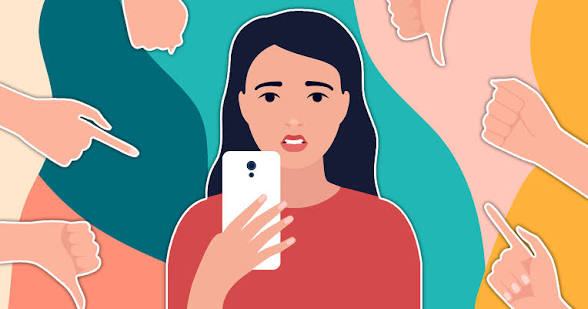
Some people spend their entire lives trying to earn the feeling of being enough.
They chase:
- attention
- compliments
- achievements
- money
- relationships
- followers
- beauty
- popularity
- approval
believing that one day, if enough people admire them, choose them, praise them, desire them, or validate them, the emptiness inside will finally disappear.
For a while, external validation can feel powerful.
A compliment lifts the mood instantly.
A successful moment creates temporary confidence.
A relationship makes someone feel wanted.
Social media attention creates emotional highs.
Recognition creates relief.
But eventually something unsettling happens.
The feeling fades.
And the person realizes they need another hit of validation to feel okay again.
Another compliment.
Another achievement.
Another relationship.
Another reminder that they matter.
That’s because self worth built entirely on external validation is emotionally unstable by nature.
It depends on things human beings cannot fully control:
- people’s opinions
- attention
- success
- appearance
- social approval
- relationships
- trends
- performance
And anything built entirely on unstable foundations eventually collapses under pressure.
External Validation Feels Good Because Humans Need Connection
Wanting validation is not inherently unhealthy.
Human beings are social creatures.
People naturally want:
- love
- acceptance
- recognition
- appreciation
- belonging
- reassurance
Compliments feel good because humans are emotionally wired for connection.
The problem begins when validation stops being something appreciated and becomes something psychologically required to feel valuable.
That shift changes everything.
A person no longer enjoys validation.
They emotionally depend on it.
Their self worth starts fluctuating constantly based on:
- who texts back
- who compliments them
- who chooses them
- how much attention they receive
- how successful they appear
- how attractive they feel
- how productive they are
- how others perceive them
Life becomes emotionally exhausting because identity itself feels unstable.
Many People Learned Early That Love Must Be Earned
For a lot of people, external validation addiction begins in childhood.
Especially in environments where:
- love felt conditional
- praise only came through achievement
- emotional needs were ignored
- perfection was expected
- criticism was constant
- approval had to be earned
- vulnerability felt unsafe
Children in these environments often unconsciously learn:
“I am valuable when others approve of me.”
Not:
“I have value regardless of performance.”
That emotional conditioning follows people into adulthood.
They become adults who:
- fear disappointing others
- overachieve constantly
- seek reassurance obsessively
- struggle with boundaries
- people please excessively
- feel deeply affected by criticism
- tie worth to productivity
- panic when rejected
Because internally, their worth still feels externally negotiated.
Social Media Has Intensified Validation Addiction
Modern technology has transformed validation into something measurable.
Likes.
Views.
Followers.
Comments.
Shares.
Attention metrics.
People can now quantify approval instantly.
That changes self perception psychologically.
Many people unconsciously begin treating engagement as emotional proof of worthiness.
A post performs well?
Temporary confidence boost.
A post gets ignored?
Sudden insecurity.
This creates dangerous emotional cycles where identity becomes tied to public reaction.
People slowly stop asking:
“Do I genuinely like myself?”
And start asking:
“Am I receiving enough validation from others?”
The problem is that online validation is emotionally inconsistent.
Algorithms change.
Attention shifts.
People move on quickly.
And when identity depends heavily on external reaction, emotional stability becomes fragile.
External Validation Creates Temporary Relief, Not Lasting Security
One of the hardest truths people eventually discover is this:
Validation can soothe insecurity temporarily, but it rarely heals it permanently.
Someone insecure about their appearance may receive endless compliments and still feel unattractive internally.
Someone successful may still feel inadequate despite achievements.
Someone deeply loved may still fear abandonment constantly.
Because external validation often acts like emotional painkillers rather than emotional healing.
The relief is real.
But temporary.
Without internal self worth, the brain keeps seeking more reassurance because the underlying insecurity remains unresolved.
That’s why some people become trapped in endless cycles of:
- overworking
- attention seeking
- perfectionism
- relationship dependency
- people pleasing
- social media obsession
- emotional approval seeking
They are trying to emotionally fill an internal wound using external responses.
Self Worth Built on Validation Is Emotionally Fragile
The biggest problem with externally built self worth is instability.
If confidence depends entirely on external circumstances, what happens when:
- someone criticizes you?
- a relationship ends?
- you lose popularity?
- your appearance changes?
- success slows down?
- people stop validating you?
- failure happens?
- rejection occurs?
Everything emotionally crashes.
Because the person never built internal emotional grounding independent of external outcomes.
Their identity becomes vulnerable to every shift in public perception, relationship dynamics, or achievement level.
This creates chronic anxiety.
The person constantly monitors how they are being perceived because perception feels tied to survival emotionally.
People Pleasing Often Comes From Validation Dependency
Many chronic people pleasers are not simply “too nice.”
Often, they are terrified of disapproval.
When someone’s worth depends heavily on external validation, upsetting people can feel emotionally catastrophic.
So they:
- suppress needs
- avoid conflict
- overextend themselves
- struggle to say no
- tolerate unhealthy behavior
- seek constant approval
- shape shift around others
They prioritize being liked over being emotionally healthy.
The tragedy is that people pleasing slowly disconnects people from themselves.
A person becomes so focused on maintaining approval that they stop asking:
“What do I actually feel?”
“What do I actually need?”
“What actually makes me happy?”
Their identity becomes performance based.
Romantic Relationships Become Emotionally Dangerous
Relationships can feel especially destabilizing for people whose self worth depends heavily on external validation.
Why?
Because romantic attention becomes emotionally addictive.
Being chosen creates temporary emotional security.
Being rejected creates emotional collapse.
People who lack internal self worth may:
- lose themselves in relationships
- tolerate mistreatment
- fear abandonment intensely
- become emotionally dependent
- seek constant reassurance
- obsess over being enough
- overanalyze partner behavior
- panic when emotional distance appears
Not because they are irrational.
But because their identity feels emotionally tied to whether someone wants them.
That creates exhausting emotional dynamics where relationships become survival systems instead of healthy connection.
Perfectionism Is Often A Validation Strategy
A lot of perfectionism is not about excellence.
It’s about emotional protection.
People unconsciously believe:
“If I become perfect enough, nobody can reject me.”
So they chase:
- flawless appearance
- constant achievement
- productivity
- status
- social admiration
- emotional usefulness
hoping perfection will finally create emotional safety.
But perfectionism becomes a trap because perfection is impossible.
The goalpost keeps moving endlessly.
No achievement ever feels sufficient for long because the deeper issue is not performance.
It’s internal worthiness.
Why Criticism Feels So Devastating To Some People
Criticism affects everyone emotionally to some extent.
But for people with externally dependent self worth, criticism can feel psychologically crushing.
Why?
Because criticism threatens identity itself.
If someone internally believes:
“My value depends on approval,”
then disapproval feels like personal invalidation rather than simple feedback.
Even small criticism may trigger:
- shame
- anxiety
- defensiveness
- overthinking
- emotional spiraling
- self hatred
This is why emotionally grounded self worth matters so much.
People with healthier internal stability can experience criticism without feeling fundamentally worthless.
Internal Self Worth Is Much More Stable
Internal self worth does not mean arrogance or believing you’re perfect.
It means understanding:
“My humanity has value even when I fail, struggle, get rejected, or disappoint people.”
That kind of self worth creates emotional resilience.
A person with internal grounding can:
- handle rejection without collapsing
- receive criticism without self destruction
- experience failure without identity crisis
- exist without constant external reassurance
- maintain boundaries despite disapproval
- choose authenticity over performance
Their identity is not entirely controlled by external reactions.
That stability creates freedom emotionally.
Building Internal Self Worth Takes Time
People cannot simply “decide” overnight to stop caring about validation.
Especially if external approval shaped their identity for years.
Healing validation dependency often requires:
- self awareness
- therapy
- emotional healing
- boundary work
- reducing comparison
- self compassion
- emotional honesty
- healthier relationships
- learning solitude
- reconnecting with personal values
- separating worth from performance
And importantly:
Internal self worth is not built by pretending criticism or rejection never hurts.
It’s built by learning that pain does not erase your value as a human being.
The Modern World Constantly Profits From Insecurity
One reason validation addiction has become so widespread is because insecurity is profitable.
Entire industries thrive by convincing people:
- they are not attractive enough
- successful enough
- productive enough
- desirable enough
- popular enough
- optimized enough
People are constantly encouraged to chase external proof of worth.
But external proof is endless.
There is always:
- another comparison
- another standard
- another expectation
- another version of “better”
Without internal grounding, people can spend their entire lives emotionally chasing enoughness without ever arriving.
Self Worth Cannot Depend Entirely On Being Chosen
One of the saddest things many people experience is believing:
“If people choose me, then I matter.”
But people are inconsistent.
Relationships end.
Attention changes.
Social dynamics shift.
Validation fluctuates.
If worth depends entirely on being wanted externally, emotional stability becomes impossible.
Because human value cannot safely depend on constantly being selected, admired, praised, or approved of by others.
That foundation is too unstable.
Maybe The Goal Is Not To Become Universally Approved
Perhaps one of the most freeing realizations people eventually reach is this:
You do not need universal validation to have value.
Not everyone will:
- understand you
- choose you
- approve of you
- agree with you
- admire you
- stay
And painful as that reality can feel, it’s also liberating.
Because chasing universal approval often destroys authenticity.
People shrink themselves trying to remain emotionally acceptable to everyone.
But real self worth begins growing when someone slowly learns:
“I can survive disapproval without abandoning myself.”
That changes relationships.
That changes boundaries.
That changes confidence.
That changes life.
Because people stop treating external validation as oxygen.
And start treating it as something appreciated, but no longer required for emotional survival.
What is external validation?
External validation is approval, praise, attention, or reassurance received from other people. It can include compliments, social media engagement, achievements, popularity, or relationship attention.
Why is external validation unhealthy?
External validation becomes unhealthy when self worth depends entirely on it. Because external approval is inconsistent and uncontrollable, relying on it for identity creates emotional instability and insecurity.
Why do some people constantly seek validation?
Validation seeking is often connected to childhood conditioning, emotional neglect, low self esteem, trauma, perfectionism, fear of rejection, or conditional love experiences.
Can social media affect self worth?
Yes. Social media can intensify comparison, insecurity, validation dependency, and emotional instability by tying attention and approval to measurable metrics like likes and followers.
How do you build internal self worth?
Internal self worth is often built through self awareness, emotional healing, boundaries, therapy, self compassion, healthier relationships, reducing comparison, and separating worth from external performance or approval.
What is the difference between confidence and validation seeking?
Confidence comes from internal stability and self trust. Validation seeking depends heavily on external reassurance and approval to maintain emotional security.