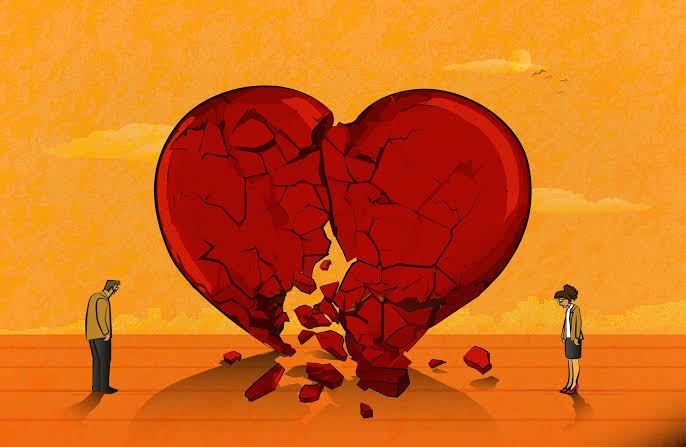
There’s a specific kind of heartbreak that confuses people more than betrayal.
It’s not cheating.
It’s not a dramatic fight.
It’s not even a clear breakup reason.
It’s when someone slowly says:
“I don’t feel the same anymore.”
For many people, that sentence feels impossible to process. Especially when the relationship once felt real, passionate, safe, and full of emotional connection. One minute you’re planning a future together, sharing playlists, talking every night, imagining trips, imagining marriage, imagining forever. Then gradually, something changes. The warmth fades. Conversations become thinner. Affection feels forced. One person starts emotionally withdrawing while the other desperately tries to understand what happened.
And the painful part is this:
Sometimes nobody did one terrible thing.
People lose feelings in relationships for deeply human reasons that are often emotional, psychological, situational, and painfully subtle. It rarely happens overnight. Most of the time, feelings fade quietly, like color draining slowly from a photograph you didn’t realize was aging.
This article explores why people lose feelings in relationships, what emotional detachment actually looks like, whether lost feelings can come back, and how couples unknowingly create distance without realizing it.
Because despite what social media often suggests, love is rarely destroyed by one giant explosion. More often, it disappears through emotional erosion.
Losing Feelings Doesn’t Always Mean the Love Was Fake
One of the biggest misconceptions about relationships is the belief that if feelings fade, the relationship must have been fake from the beginning.
That’s not true.
Someone can genuinely love you and still emotionally drift away later.
Human emotions are not frozen objects. People evolve. Stress changes people. Trauma changes people. Life changes people. Relationships themselves change people.
In the beginning of many relationships, emotions are amplified by novelty, chemistry, curiosity, fantasy, physical attraction, emotional excitement, and dopamine. Everything feels electric because it’s new. Conversations stretch into 3 a.m. without effort. Every text feels important. Small gestures feel magical.
But long term relationships eventually move out of the fantasy stage and into reality.
That’s where deeper compatibility gets tested.
Some couples survive that transition beautifully. Others slowly realize that emotional intimacy, communication, shared values, emotional safety, attraction, or effort aren’t strong enough to sustain the relationship once the “high” settles.
Losing feelings doesn’t automatically mean someone lied. Sometimes it means the relationship stopped emotionally feeding both people in the way it once did.
Emotional Neglect Slowly Kills Attraction
A lot of people think attraction disappears because of appearance.
In reality, emotional neglect destroys more relationships than physical appearance ever will.
People begin losing feelings when they stop feeling emotionally seen, emotionally heard, emotionally valued, or emotionally prioritized.
This can happen quietly over months or years.
Maybe conversations become transactional:
“Did you pay the bill?”
“What are we eating?”
“Did you call your mom?”
Meanwhile, emotional connection slowly starves in the background.
People want to feel emotionally chosen. They want tenderness, curiosity, attention, appreciation, affection, and emotional responsiveness. Without those things, relationships start feeling emotionally empty even if the couple still technically loves each other.
One of the saddest things about emotional neglect is that it often happens unintentionally.
People get busy.
Work becomes stressful.
Mental health declines.
Routine takes over.
Life becomes repetitive.
Then one day, one partner realizes they no longer feel emotionally connected.
Not because there was no love.
But because the relationship stopped feeling emotionally alive.
Resentment Changes the Emotional Climate of a Relationship
Unspoken resentment is relationship poison wearing invisible clothing.
At first, resentment looks small:
- Feeling unappreciated
- Feeling ignored
- Feeling unsupported
- Feeling emotionally dismissed
- Feeling taken for granted
But when these feelings remain unresolved, they accumulate quietly.
Over time, resentment changes how people interpret each other’s behavior. Small annoyances become bigger. Patience becomes thinner. Affection feels harder to give naturally. Emotional closeness starts feeling exhausting instead of comforting.
A partner who once felt safe can suddenly begin feeling emotionally draining.
And here’s the difficult truth:
Many people lose feelings long before they officially admit it.
They may stay because of history, guilt, comfort, shared responsibilities, children, fear of loneliness, financial dependence, or hope that feelings will magically return. But internally, emotional disconnection may already be growing.
This is why some breakups seem “sudden” to one person while the other says they’ve been unhappy for a long time.
The emotional departure often begins silently.
Sometimes People Fall in Love With Potential Instead of Reality
Early relationships are often powered by imagination.
People don’t just fall in love with who someone is. They fall in love with:
- who they could become
- who they seem to be initially
- how they make them feel temporarily
- the fantasy of the future
But eventually, reality arrives.
Maybe one partner realizes:
- they are emotionally incompatible
- their values clash
- communication styles don’t work
- long term goals differ
- emotional maturity levels are mismatched
Sometimes feelings fade because the fantasy collapses.
This happens more often than people admit.
A relationship can survive imperfect circumstances, but it struggles when emotional reality no longer matches emotional expectations.
Lack of Emotional Intimacy Creates Distance
Many couples mistake proximity for connection.
Living together does not automatically create intimacy. Talking every day does not automatically create closeness. Posting each other online does not automatically mean emotional security exists.
Real emotional intimacy involves vulnerability.
It involves:
- difficult conversations
- emotional honesty
- feeling emotionally safe
- being known deeply
- expressing fears openly
- discussing insecurities honestly
- staying emotionally curious about each other
Without emotional intimacy, relationships start operating on autopilot.
And autopilot relationships often become emotionally numb.
People can sit beside each other every night and still feel profoundly alone.
That loneliness inside a relationship can become emotionally devastating.
Constant Conflict Can Emotionally Exhaust Love
Love struggles to survive in environments filled with:
- criticism
- contempt
- emotional manipulation
- yelling
- defensiveness
- passive aggression
- disrespect
- emotional instability
Even strong feelings eventually become exhausted by chronic emotional stress.
Some couples normalize dysfunction because they mistake intensity for passion. They believe constant fighting means they care deeply. But over time, emotional chaos creates emotional fatigue.
The nervous system gets tired.
Eventually, one or both partners stop emotionally investing because survival mode replaces connection.
In some relationships, feelings don’t disappear suddenly. They burn out.
Personal Growth Can Change Relationship Dynamics
One uncomfortable reality is that people grow at different speeds emotionally.
A relationship that worked at 22 may no longer work at 30.
Sometimes one partner begins healing, maturing, evolving, or discovering themselves while the other remains emotionally stagnant. The emotional gap between them widens gradually.
Growth changes attraction.
People often become emotionally disconnected when:
- values evolve
- priorities change
- emotional intelligence improves
- self worth increases
- unresolved trauma gets addressed
- life goals shift
This doesn’t automatically make anyone a villain.
Sometimes relationships simply stop fitting the people inside them.
That truth hurts because people want permanence. But human beings are constantly changing internally.
Mental Health Struggles Can Affect Feelings
Depression, anxiety, burnout, chronic stress, trauma, grief, and emotional exhaustion can significantly impact romantic feelings.
Someone experiencing mental health struggles may:
- withdraw emotionally
- feel numb
- struggle with affection
- lose interest in intimacy
- become emotionally unavailable
- feel disconnected from themselves
In these situations, the issue may not actually be the relationship itself.
Sometimes the person has become disconnected from their own emotions entirely.
This is why emotional numbness should never immediately be interpreted as proof that love is completely gone. Context matters.
A mentally exhausted person may struggle to access warmth even toward people they genuinely care about.
Boredom and Predictability Can Affect Romantic Feelings
Relationships need emotional oxygen.
When everything becomes repetitive, emotionally stagnant, or overly routine, attraction can weaken.
This doesn’t mean relationships need constant drama to survive. Healthy love actually thrives in stability. But emotional engagement still matters.
Couples who stop:
- dating each other
- trying new experiences
- flirting
- communicating deeply
- showing appreciation
- maintaining emotional effort
often begin feeling emotionally disconnected.
Romantic connection requires maintenance.
Not performative grand gestures.
Not fake social media romance.
Just consistent emotional investment.
A relationship cannot survive forever on memories alone.
Social Media Has Distorted Relationship Expectations
Modern dating culture has quietly damaged many people’s understanding of love.
Social media constantly sells fantasy:
- effortless chemistry
- nonstop passion
- perfect communication
- aesthetically curated romance
- unrealistic emotional highs
As a result, many people panic when relationships naturally become calmer, quieter, or more stable.
They mistake emotional comfort for lack of love.
Real relationships contain:
- routine
- stress
- awkward phases
- emotional distance at times
- periods of lower excitement
- misunderstandings
- emotional rebuilding
Some people lose feelings because they chase perpetual intensity instead of sustainable intimacy.
They become addicted to the emotional adrenaline of “newness.”
The moment a relationship requires work, emotional patience, accountability, or maturity, they interpret that as falling out of love.
Physical Attraction Alone Cannot Sustain Emotional Connection
Attraction matters.
But physical chemistry alone is fragile.
Many relationships begin with strong sexual attraction but eventually collapse because emotional compatibility was never strong enough underneath.
Once the excitement stabilizes, deeper issues emerge:
- communication problems
- emotional immaturity
- incompatibility
- lack of trust
- emotional disconnection
- unresolved trauma
This is why some relationships feel intensely passionate initially but emotionally empty later.
Physical attraction can open the door.
But emotional safety and compatibility are what make people stay emotionally attached long term.
Can Lost Feelings Come Back?
Sometimes yes.
Sometimes no.
And that answer frustrates people because they want certainty.
Feelings can return when:
- communication improves
- emotional intimacy rebuilds
- resentment gets addressed
- both partners actively reconnect
- emotional safety returns
- life stress decreases
- effort becomes mutual again
But feelings rarely return through desperation, pressure, guilt, begging, or emotional chasing.
In fact, panic often pushes emotionally distant partners even further away.
Rebuilding emotional connection requires honesty. Sometimes uncomfortable honesty.
It requires asking:
- Are both people willing to reconnect?
- Is emotional safety still possible?
- Are unresolved wounds repairable?
- Are both partners emotionally invested in rebuilding?
Not every relationship should be saved.
But some relationships absolutely can heal if emotional disconnection is addressed early enough.
Signs Someone May Be Losing Feelings
People express emotional detachment differently, but common signs include:
- reduced communication
- emotional distance
- less curiosity about your life
- avoiding affection
- feeling emotionally unavailable
- less excitement around spending time together
- increased irritability
- emotional numbness
- lack of future planning
- conversations feeling forced
- decreased intimacy
- emotional withdrawal during conflict
Still, these signs are not always definitive proof someone no longer loves you.
Context matters deeply.
Stress, burnout, grief, depression, or personal struggles can temporarily affect emotional behavior too.
That’s why communication matters more than assumptions.
What To Do If You Feel Your Partner Pulling Away
One of the worst mistakes people make is immediately reacting with panic.
Fear often creates behaviors that worsen emotional distance:
- excessive texting
- emotional pressure
- constant reassurance seeking
- accusations
- clinginess
- emotional outbursts
- surveillance behavior
Instead:
- communicate calmly
- ask honest questions
- focus on understanding instead of attacking
- express your emotional needs clearly
- pay attention to patterns, not isolated moments
- maintain your own emotional stability
And importantly:
Do not abandon yourself trying to keep someone emotionally attached.
Many people lose themselves while desperately trying to “earn back” someone’s feelings.
Healthy love cannot survive on one person emotionally carrying the entire relationship.
Sometimes Love Ends Quietly
Not every relationship ends with betrayal.
Some relationships end through silence.
Through emotional drift.
Through accumulated disconnection.
Through years of feeling misunderstood.
Through emotional exhaustion nobody fully addressed.
That reality is painful because it lacks a clear villain.
But understanding why people lose feelings can help us approach relationships more honestly, compassionately, and realistically.
Love is not just a feeling people magically maintain forever without effort.
It’s an emotional ecosystem.
And like any ecosystem, it requires:
- care
- attention
- honesty
- emotional safety
- communication
- curiosity
- effort
- growth
Without those things, even sincere love can slowly fade into emotional distance.
Not because people are heartless.
Not because relationships are meaningless.
But because human connection is delicate, living, and deeply affected by how we treat each other over time.
And perhaps that’s the uncomfortable beauty of love too.
It’s alive enough to change.