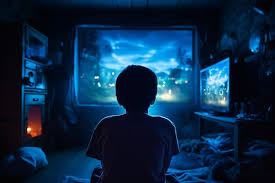
There was a time when people could disappear for a few hours without feeling anxious.
Phones were tools, not extensions of identity.
Silence existed without immediately being filled.
People could sit in waiting rooms, walk outside, eat meals, or go to bed without constantly consuming information.
Now many people wake up and touch their phones before fully opening their eyes.
Notifications arrive before thoughts do.
Messages, emails, videos, opinions, news, trends, algorithms, advertisements, arguments, comparisons, headlines, group chats, endless scrolling. The modern brain absorbs more information in a single day than many humans processed in weeks decades ago.
And quietly, beneath the convenience and entertainment, many people are becoming emotionally exhausted by the digital world itself.
Not physically tired.
Emotionally burnt out.
A kind of exhaustion that sleep alone does not fix.
People describe feeling:
- mentally overloaded
- emotionally numb
- constantly distracted
- unable to focus
- socially drained
- emotionally disconnected
- anxious without clear reason
- overwhelmed by information
- tired even after resting
And increasingly, people are starting to realize something uncomfortable:
The digital world is not just affecting attention spans.
It’s affecting emotional wellbeing, identity, relationships, self worth, nervous system regulation, and the ability to feel mentally present.
Digital Burnout Is More Than “Too Much Screen Time”
When people hear the term digital burnout, they often imagine someone simply spending too much time online.
But digital burnout is deeper than excessive screen usage.
It’s the emotional exhaustion that develops from constant digital stimulation, emotional overload, comparison, connectivity pressure, information saturation, and the inability to mentally disconnect.
Modern technology has erased many natural stopping points humans used to have.
Work follows people home through emails and notifications.
Social comparison follows people into bed through social media.
Arguments, tragedies, trends, and opinions circulate endlessly twenty four hours a day.
The nervous system rarely fully rests anymore.
Even moments of boredom, silence, or emotional processing are constantly interrupted by digital stimulation.
People are consuming information almost nonstop while barely processing how it affects them psychologically.
The Human Brain Was Not Designed For Constant Stimulation
The human nervous system evolved in environments radically different from modern digital life.
Humans were not biologically designed to absorb:
- hundreds of opinions daily
- nonstop bad news
- endless social comparison
- constant notifications
- infinite entertainment
- rapid emotional shifts
- addictive algorithms
- instant communication pressure
all at once.
Yet many people experience exactly that every single day.
The brain struggles to distinguish between meaningful information and constant digital noise.
As a result, people remain mentally overstimulated for long periods without realizing how deeply it affects emotional regulation.
Over time this can contribute to:
- anxiety
- emotional numbness
- irritability
- concentration problems
- emotional fatigue
- sleep disruption
- chronic stress
- reduced attention span
- mental exhaustion
Many people are emotionally overloaded while still continuing to consume more stimulation because modern platforms are designed to keep attention trapped continuously.
Social Media Creates Endless Psychological Comparison
One of the biggest emotional drains of digital life is comparison.
Human beings naturally compare themselves socially to some degree. But social media has transformed comparison into an around the clock psychological environment.
People now constantly consume curated versions of:
- beauty
- wealth
- relationships
- lifestyles
- success
- fitness
- happiness
- productivity
- healing journeys
- luxury experiences
Even when people logically understand that online content is filtered and edited, the emotional effect still shapes self perception.
Someone can feel relatively okay until:
- they see someone more attractive
- someone younger becoming successful
- another couple looking happier
- people traveling constantly
- influencers appearing endlessly confident
- friends hitting life milestones
Suddenly ordinary life begins feeling emotionally insufficient.
This constant comparison creates quiet emotional exhaustion because people are subconsciously evaluating themselves all day long.
The Digital World Never Truly Lets People Rest
One hidden problem with modern technology is that people are mentally “on” almost all the time.
Even during rest, many people are still:
- scrolling
- responding
- consuming
- comparing
- reacting
- monitoring notifications
- absorbing emotional content
The brain rarely experiences genuine stillness anymore.
People may technically stop working while still remaining cognitively overstimulated.
A person lying in bed scrolling for hours is not truly resting mentally.
They are still processing:
- information
- emotions
- social cues
- stimulation
- comparison
- entertainment
- dopamine spikes
This contributes to a strange form of exhaustion where people feel simultaneously overstimulated and emotionally empty.
Doomscrolling Quietly Damages Emotional Health
Humans naturally pay attention to danger.
This survival instinct becomes problematic in digital environments designed to maximize engagement through emotionally intense content.
Negative headlines, outrage, fear, conflict, and controversy attract attention more easily than calmness.
As a result, many people spend hours consuming:
- tragic news
- online arguments
- political outrage
- violence
- fear based content
- social conflict
- emotionally distressing videos
without giving their nervous systems time to recover.
Over time, constant exposure to distressing content can create:
- hopelessness
- emotional fatigue
- anxiety
- numbness
- chronic stress
- fear about the future
Some people become emotionally desensitized.
Others become emotionally overwhelmed.
Many become both at different times.
Constant Connectivity Creates Psychological Pressure
People are now more reachable than at any point in human history.
That sounds convenient until you realize it also creates constant low level psychological pressure.
Many people feel:
- obligated to reply quickly
- anxious when messages pile up
- guilty when unavailable
- overwhelmed by communication demands
- emotionally exhausted by constant accessibility
The boundary between private life and public availability has become blurred.
People rarely feel fully “off.”
Even during vacations, weekends, or late at night, many remain mentally connected to work, social expectations, or digital obligations.
The nervous system struggles to recover when it never fully disconnects.
The Attention Economy Profits From Emotional Exhaustion
Most digital platforms are not designed primarily around human wellbeing.
They are designed around attention retention.
The longer people stay engaged, scrolling, clicking, reacting, and consuming, the more profitable the platform becomes.
That means algorithms often prioritize:
- emotionally stimulating content
- outrage
- controversy
- addictive engagement loops
- rapid dopamine cycles
- emotionally charged material
not necessarily emotional health.
Many people underestimate how psychologically powerful these systems are.
Entire teams of engineers, behavioral scientists, and designers work to maximize user engagement.
Humans are not weak for struggling with digital overstimulation.
They are interacting with systems intentionally designed to hold attention as long as possible.
Many People No Longer Know How To Be Alone With Their Thoughts
One subtle effect of constant digital stimulation is emotional avoidance.
Whenever discomfort appears, people can instantly distract themselves through:
- TikTok
- YouTube
- gaming
- messaging
- streaming
- endless scrolling
As a result, many people rarely sit quietly with themselves anymore.
That matters psychologically.
Silence allows emotional processing. Reflection. Self awareness. Emotional regulation.
Constant stimulation interrupts those processes.
People become uncomfortable with boredom because boredom now feels unfamiliar.
But boredom once created space for:
- creativity
- introspection
- emotional processing
- imagination
- mental recovery
Now many people instinctively reach for stimulation the moment emotional discomfort appears.
Online Validation Has Become Emotionally Addictive
Digital platforms also transformed validation into measurable metrics:
- likes
- views
- followers
- comments
- shares
This changes self worth psychologically.
Many people unconsciously begin associating attention with emotional value.
A post performs well:
temporary emotional high.
A post gets ignored:
unexpected insecurity.
This creates unstable emotional cycles where confidence becomes dependent on digital reaction.
And because online validation fluctuates constantly, emotional stability weakens over time.
Digital Burnout Often Looks Like Emotional Numbness
One reason digital burnout is difficult to identify is because it does not always look dramatic.
Sometimes it looks like:
- inability to focus
- constant fatigue
- irritability
- emotional detachment
- lack of motivation
- reduced excitement
- anxiety
- feeling mentally scattered
- struggling to feel present
- exhaustion after social media use
People often blame themselves personally without realizing their nervous systems may simply be overloaded.
The human brain was never meant to process this level of stimulation indefinitely without emotional consequences.
Real Life Begins Feeling Less Stimulating
Another subtle consequence of digital overstimulation is that ordinary life can start feeling emotionally flat.
Real life moves slower than algorithms.
Relationships require patience.
Conversations contain pauses.
Healing takes time.
Growth happens gradually.
But digital platforms train people for constant novelty and rapid dopamine shifts.
Over time:
- attention spans shorten
- patience weakens
- stillness feels uncomfortable
- ordinary life feels underwhelming
This contributes to emotional dissatisfaction because reality cannot compete with infinite digital stimulation psychologically.
Rebuilding Emotional Balance Requires Intentional Boundaries
The solution to digital burnout is not necessarily abandoning technology completely.
Modern life genuinely depends on digital tools in many ways.
But emotional balance increasingly requires intentional boundaries.
That may involve:
- reducing unnecessary screen time
- muting overwhelming content
- limiting doomscrolling
- taking social media breaks
- protecting sleep from digital interruption
- creating phone free spaces
- reconnecting with offline hobbies
- spending time outside
- practicing mindfulness
- allowing boredom again
- having deeper in person conversations
- reducing constant multitasking
And importantly:
People often need to relearn how to exist without continuous stimulation.
That process can initially feel uncomfortable because overstimulated nervous systems become accustomed to constant input.
Human Beings Need More Than Constant Consumption
One of the saddest things about digital burnout is that many people are consuming enormous amounts of content while emotionally starving internally.
They consume:
- entertainment
- information
- opinions
- trends
- distractions
but rarely experience:
- presence
- emotional stillness
- genuine connection
- mental quiet
- emotional processing
- deep rest
Humans were not designed to function like endlessly connected machines.
People need pauses.
Silence.
Meaningful relationships.
Mental recovery.
Emotional breathing room.
Without those things, emotional exhaustion becomes inevitable.
Maybe People Are Not Lazy. Maybe They’re Overstimulated
A lot of emotionally burnt out people criticize themselves constantly.
They think:
- they’ve become lazy
- weak
- unmotivated
- emotionally broken
- mentally undisciplined
But sometimes the issue is not laziness.
Sometimes the nervous system is simply overwhelmed by nonstop digital stimulation, emotional overload, comparison, information saturation, and constant psychological input.
Humans cannot absorb infinite stimulation without consequences.
And maybe part of healing modern emotional exhaustion involves remembering something simple but deeply important:
The human mind was never meant to live inside a nonstop algorithmic storm forever.
Sometimes healing begins when people finally allow themselves to step outside the noise long enough to hear their own thoughts again.
What is digital burnout?
Digital burnout is emotional, mental, and psychological exhaustion caused by excessive digital stimulation, screen exposure, social media use, constant connectivity, and information overload.
What are signs of digital burnout?
Common signs include emotional exhaustion, anxiety, irritability, difficulty focusing, sleep problems, emotional numbness, social fatigue, overstimulation, and feeling mentally drained after screen use.
How does social media affect mental health?
Social media can contribute to comparison anxiety, low self esteem, validation dependency, overstimulation, emotional fatigue, and increased stress when used excessively or without healthy boundaries.
Can too much screen time cause emotional exhaustion?
Yes. Constant digital stimulation can overwhelm the nervous system and contribute to mental fatigue, stress, emotional numbness, reduced concentration, and burnout.
How can someone recover from digital burnout?
Recovery may involve reducing screen time, taking social media breaks, improving sleep habits, reconnecting with offline activities, setting digital boundaries, spending time outdoors, and allowing mental rest.
Why does the digital world feel mentally exhausting?
The digital world constantly exposes people to information, notifications, opinions, emotional content, comparison, and stimulation, which can overload the brain and nervous system over time.