

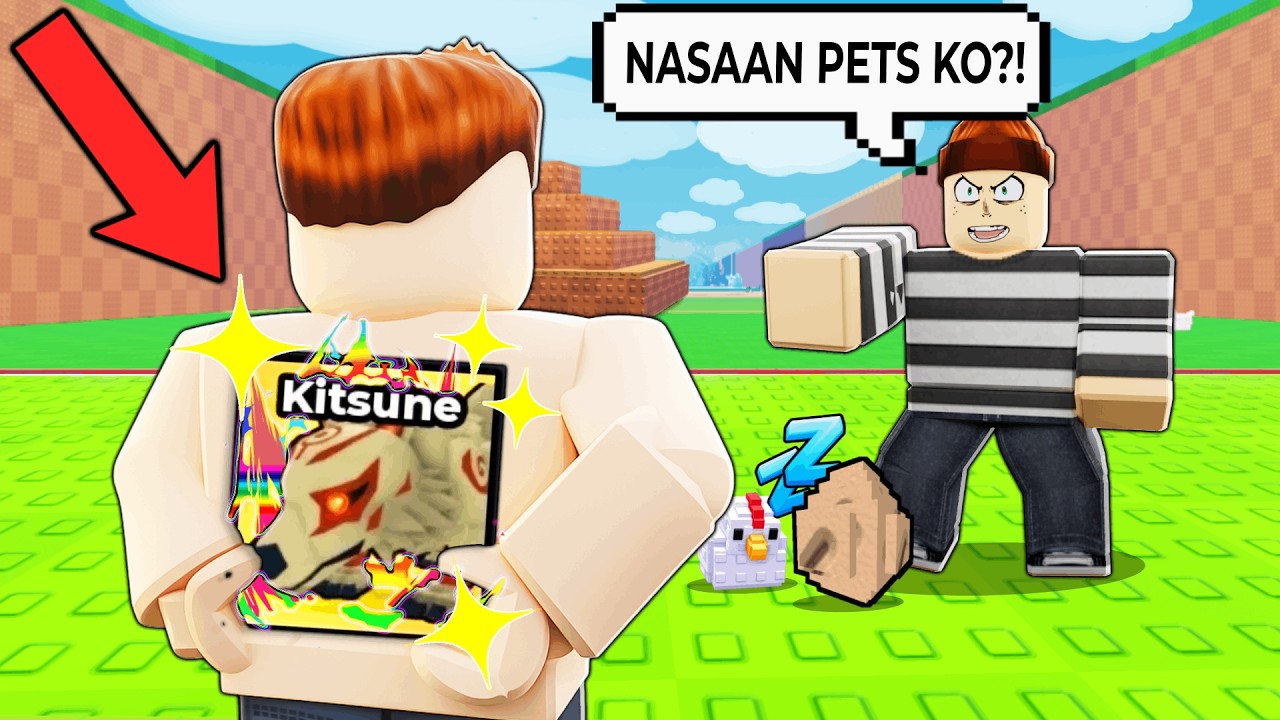
Roblox DONT HACK ME... Join Dash in Roblox! https://www.roblox.com/communities/34782900/Dash-and-FRIENDS This video Dash, Baby Dash, and Anne have to hack each other’s PINs to uncover the passwords! Who has the best hacking skills? Watch the full video to find out! #Dash #Roblox
ADVERTISEMENT






yo dash i saw your face in youtube if you search in dashing prune face reveal we can see you an why do you have yellow hair ❓❓
A hacker mechanic and a prankster combined creates dash
Trying to not get hacked is really hard Dash you got really good with guessing the numbers I can tell that was a lot of work you good at this game!
1 minutes ago 👇
Grass is one of the most ubiquitous and understated forms of life on Earth. Often overlooked as a simple green carpet beneath our feet, it plays a fundamental role in ecosystems, agriculture, climate regulation, and human culture. From vast savannas to suburban lawns, grass shapes landscapes and supports life in ways that are both visible and subtle. To understand grass is to appreciate a cornerstone of the natural world that quietly sustains both environmental balance and human civilization. At its most basic level, grass belongs to the botanical family Poaceae, a group of monocotyledonous flowering plants. This family includes not only the grasses we walk on but also some of the most important crops in human history, such as wheat, rice, and maize. Structurally, grasses are characterized by narrow leaves, jointed stems, and fibrous root systems. These features make them highly adaptable and resilient, allowing them to thrive in a wide range of climates—from tropical regions to temperate zones and even semi-arid environments. One of the most remarkable qualities of grass is its ability to recover quickly from damage. Unlike many plants, grasses grow from the base rather than the tip. This means that when they are grazed by animals or cut by humans, they can regenerate rapidly without suffering long-term harm. This adaptation has made grasslands one of the most sustainable ecosystems on the planet. Grazing animals such as cattle, sheep, and wild herbivores depend on grass for nourishment, and in turn, their grazing helps maintain the health and diversity of grassland ecosystems. Grasslands themselves are among the most extensive biomes on Earth, covering approximately one-third of the planet’s land surface. These ecosystems are vital for biodiversity, providing habitat for countless species of insects, birds, and mammals. They also play a crucial role in carbon storage. The dense root systems of grasses store significant amounts of carbon underground, helping to mitigate the effects of climate change. In fact, grasslands can be as effective as forests in sequestering carbon, particularly because their carbon is stored in the soil, where it is less susceptible to release through fires. In agriculture, grass is indispensable. The domestication of grass species marked a turning point in human history, enabling the development of settled societies. Crops like wheat and rice form the staple diet of billions of people worldwide. These grains are essentially the seeds of grass plants, and their cultivation has shaped economies, cultures, and civilizations. Beyond grains, grasses are also used as fodder for livestock, forming the backbone of meat and dairy production. Without grass, modern agriculture as we know it would not exist. Grass also plays a significant role in soil conservation. Its extensive root systems help bind the soil, preventing erosion caused by wind and water. This is particularly important in regions prone to desertification. By stabilizing the soil, grass helps maintain land fertility and supports sustainable land use. Additionally, grass acts as a natural filter, improving water quality by trapping sediments and absorbing pollutants before they reach waterways. In urban environments, grass takes on a different but equally important role. Lawns, parks, and recreational fields provide green spaces that enhance the quality of life in cities. They offer areas for relaxation, sports, and social interaction, contributing to both physical and mental well-being. Grass also helps regulate urban temperatures by absorbing heat and releasing moisture, thereby reducing the urban heat island effect. Moreover, it improves air quality by trapping dust and producing oxygen. Culturally, grass has symbolic and aesthetic significance. It is often associated with growth, renewal, and simplicity. Phrases like “the grass is greener on the other side” reflect its presence in human language and thought. In literature and art, grass frequently symbolizes the continuity of life and the connection between humans and nature. The image of a grassy meadow evokes feelings of peace and harmony, highlighting the emotional impact of this humble plant. Despite its many benefits, grass is not without controversy. In some contexts, particularly in urban landscaping, the maintenance of grass lawns can be resource-intensive. Lawns often require significant amounts of water, fertilizers, and pesticides, which can have negative environmental impacts. This has led to growing interest in alternative landscaping practices, such as using native plants or creating wildflower meadows that require less maintenance and support greater biodiversity. Climate change also poses challenges for grass ecosystems. Changes in temperature and precipitation patterns can affect grass growth and distribution, with potential consequences for agriculture and wildlife. However, grass’s adaptability offers some hope. Many species can tolerate drought and reco
Oh my gosh I got here at 7 min
Under water
I love dash videos
Under 30 minute gang 👇
Dash i love your videos❤️😊
Under 6 hours im late
Hi dash😂😂😂
5 hour
Under 8 hours gang 👇
How did Dash thumbnail Guessed My Password on my Phone
😮😮😮😮😮
Under 15mins
5min
0:04 I thought they were teaching us how to hack 😅
Hi dash I played that game before